
Our Online Orders has
turned over a new leaf.
Hot List
Fresh. Limited. READY TO SHIP.
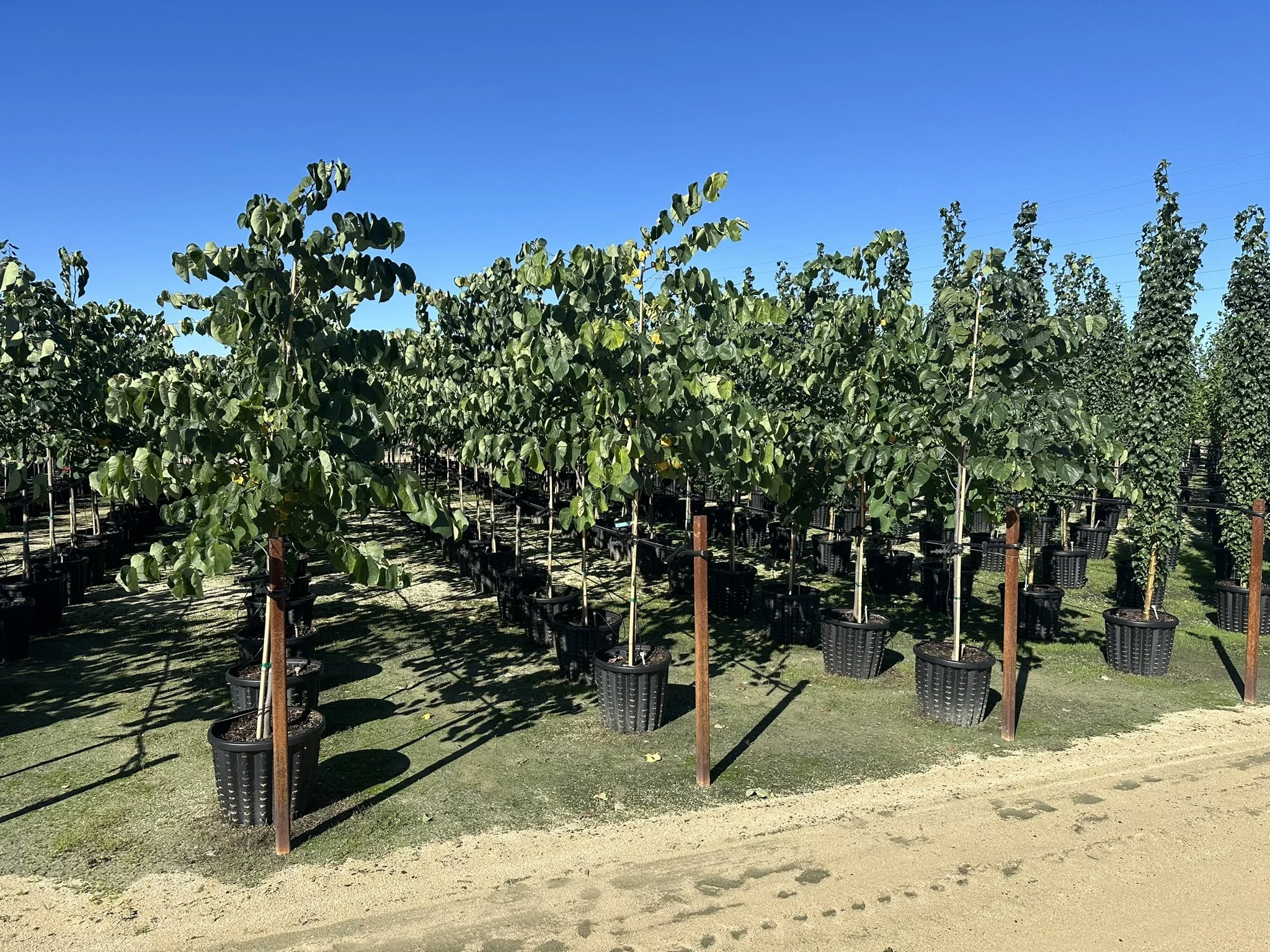
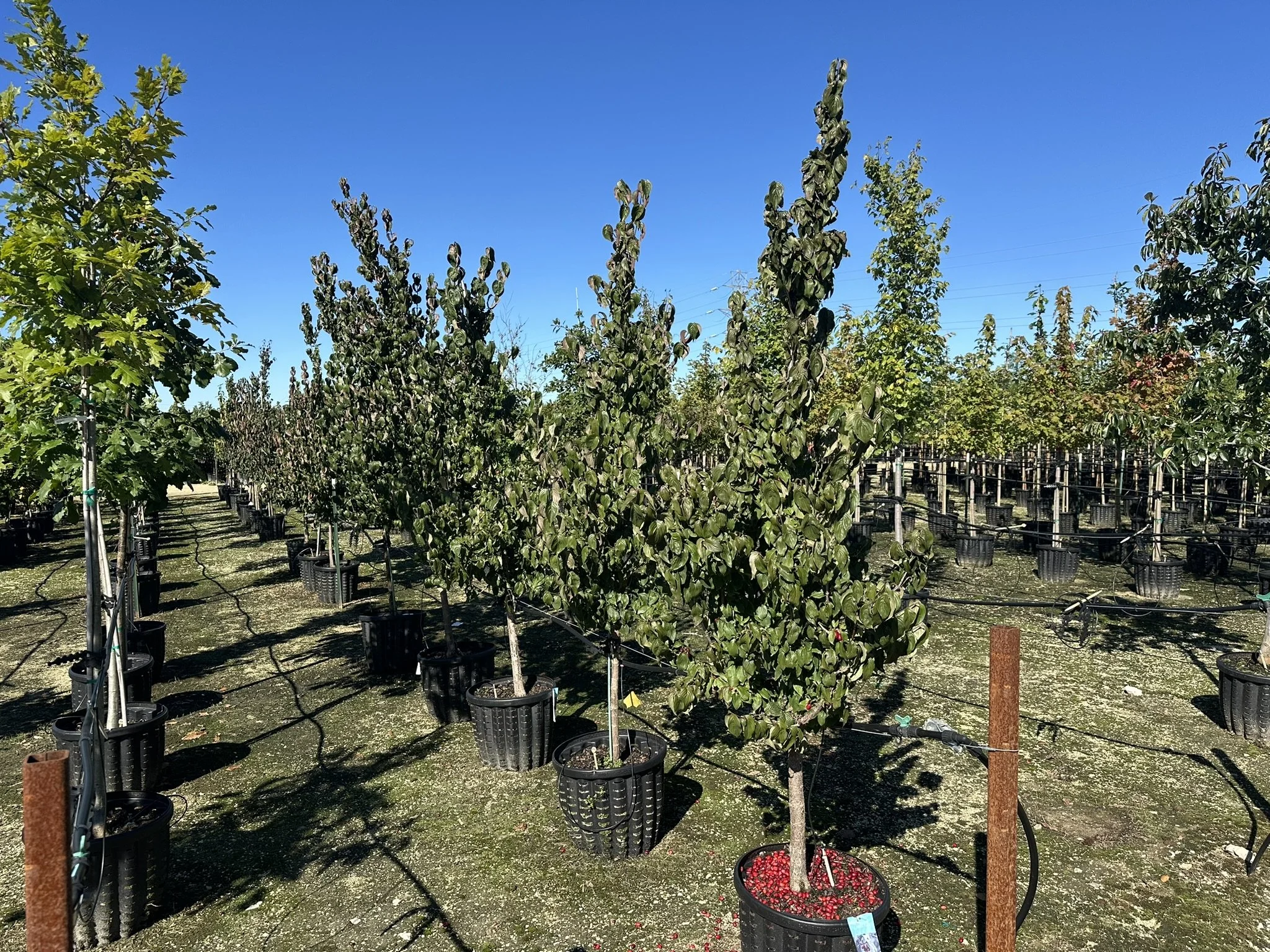
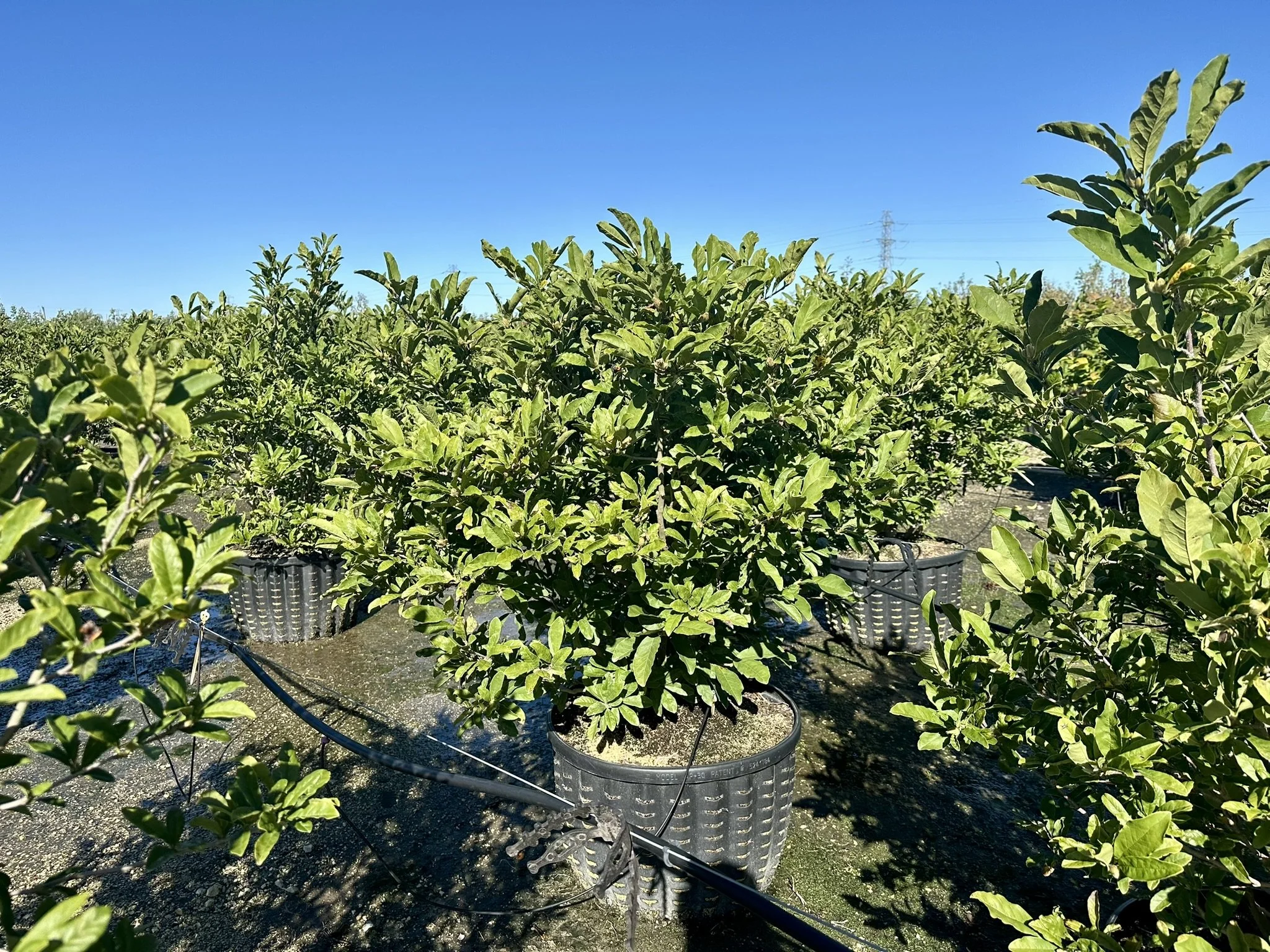
Very showy purplish pink flowers appear in spring before the foliage. Works well in naturalized or woodland plantings. Heart-shaped leaves are lustrous dark green.
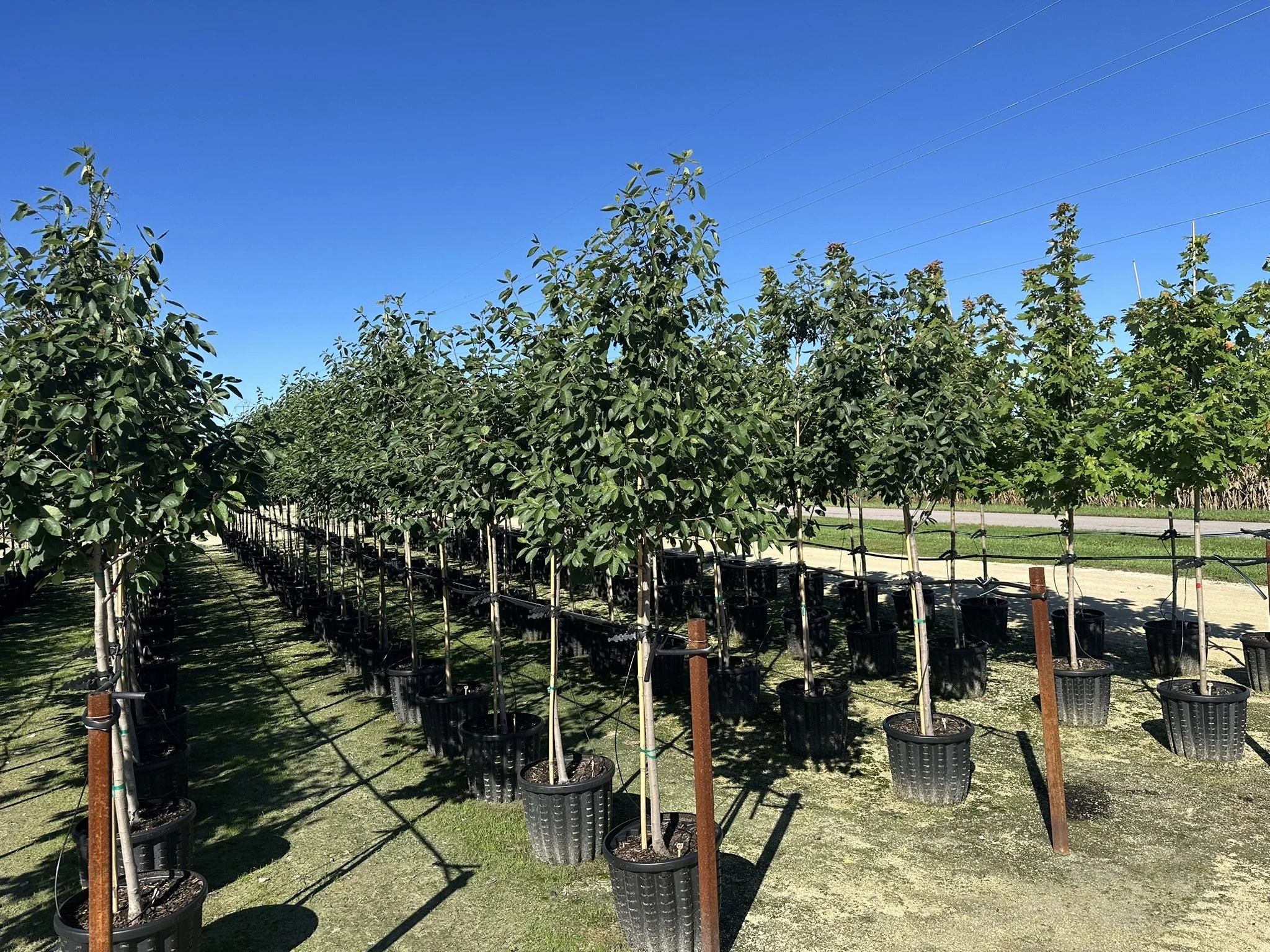
A thornless and nearly seedless cultivar with a nice pyramidal habit. Very adaptable to urban conditions. Fall color is an overlooked attribute. Provides lovely dappled shade.
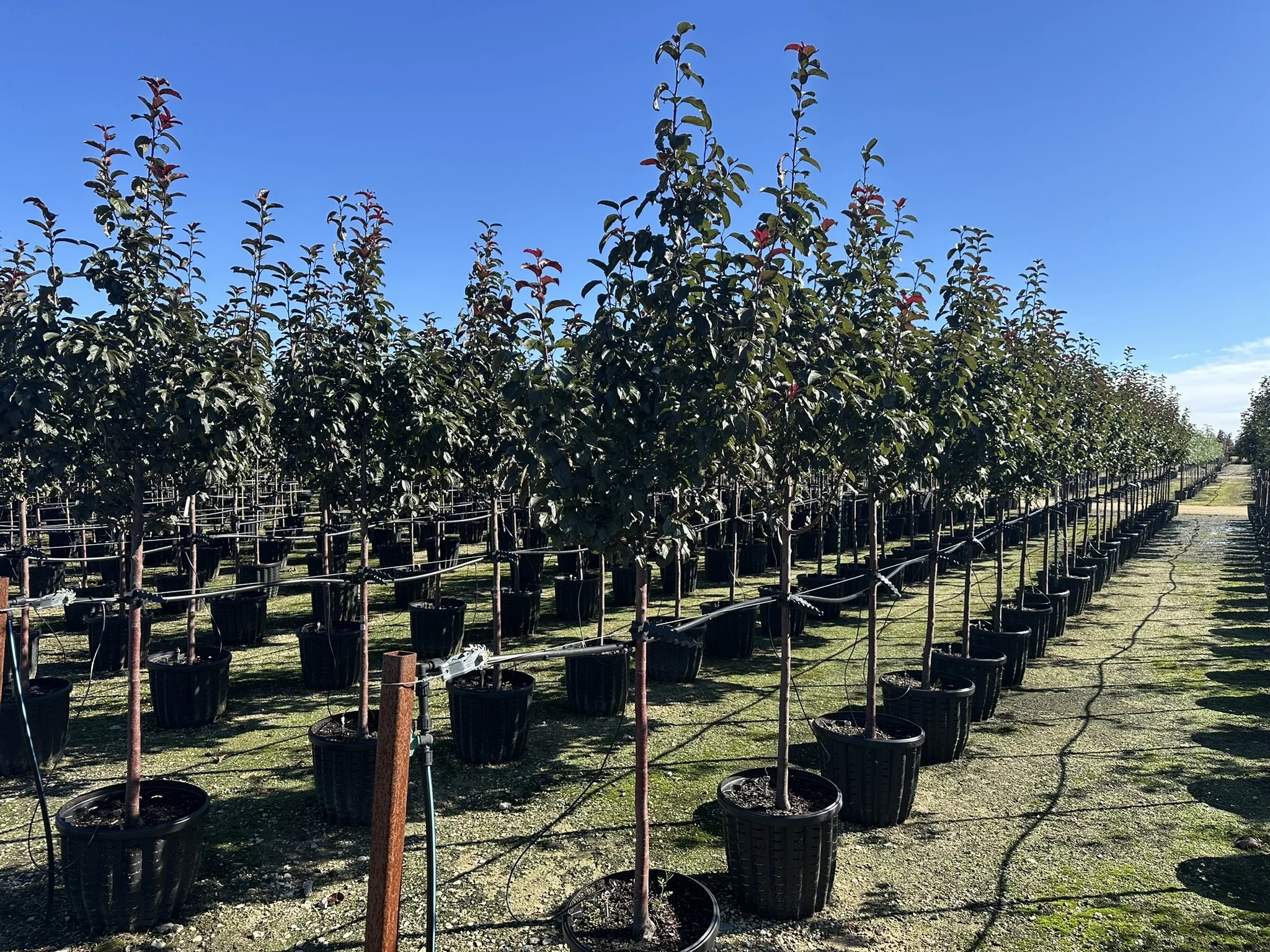
An excellent cultivar from J. Frank Schmidt. Features deep purple cutleaf foliage, great form with strong branch angles, and nice orange-red fall color. Highly disease resistant. Dark pink buds age to light pink flowers.
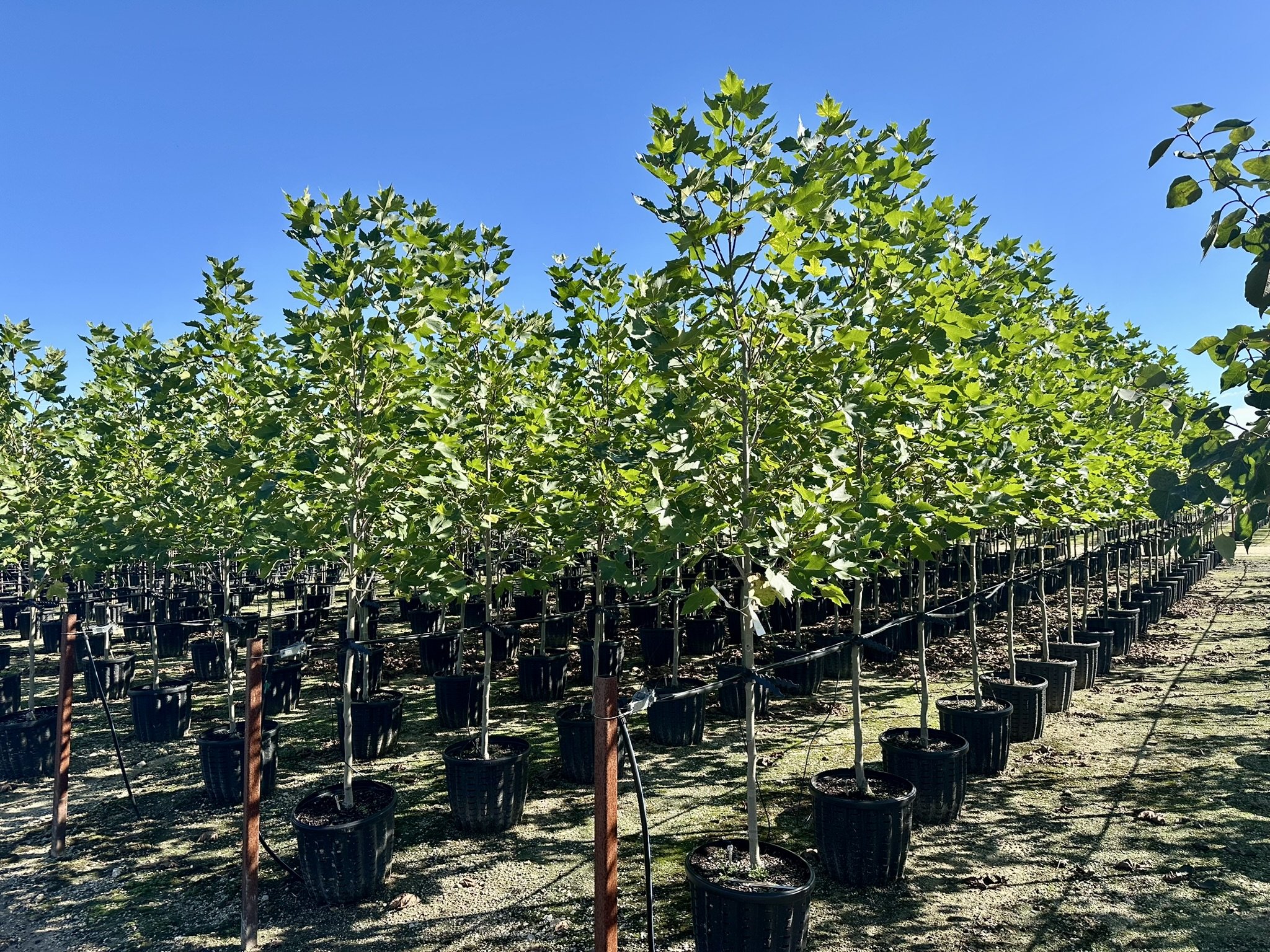
Developed by The Morton Arboretum. Features a strong central leader, uniform pyramidal shape and gorgeous mottled, peeling bark. Very adaptable; makes a tough street tree.
Forms a compact, upright clump of glossy, thick green leaves. Large, bright purple, globe-shaped flowers appear in late summer above fragrant, deer-resistant foliage and attract pollinators.
A sport of 'Millenium', 'Serendipity' shares the rosy purple flowers of its parent plant but is distinguished by blue foliage. Profuse flowers are produced in mid- to late-summer and are bee and butterfly magnets.
Refined perennial with a symmetrical, compact form. Dense clusters of daisy-like, semi-double, purple flowers cover the plant in early autumn. Tolerant of short periods of drought.
Somewhat compact cultivar with light yellow, daisy-like flowers with darker yellow centers. Shearing can encourage fall re-bloom. PPA Perennial Plant of the Year 1992.
This is the new standard in dianthus for the perennial garden. Compact foliage and sturdy flower stems hold up classic single pink blooms for season-long performance.
Large flowers are rosy pink and semi-double and are held up on stiff stems. Pointed petals grow outward from green centers. Flowers bloom from early summer into fall.
Repeat-bloomer with slightly fragrant, ruffled, lemon yellow, 3 1/4" flowers that bloom in June and then sporadically to frost. Compact size makes it a good choice for edging and containers.
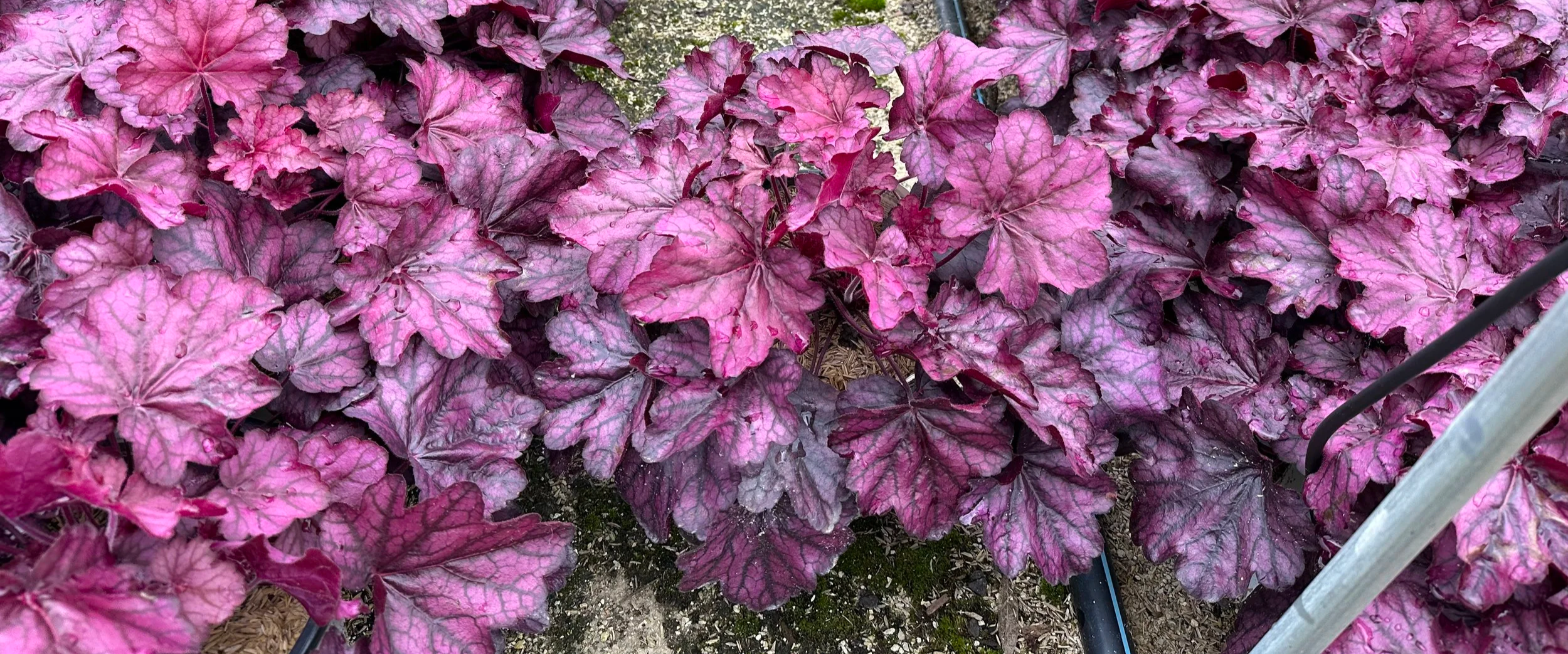
'Plum Pudding' is an industry staple and one of the best purple-leaved Heucheras. Plum purple foliage has dark purple veins and grows to 8" high, with flower spikes rising to 26".
Spreads quickly by rhizomes and makes a dense groundcover but does not tolerate foot traffic. Tolerates salt, heat, and humidity, and can be planted under trees. Best suited for beds surrounded by hardscapes or controlled by edging.
A petite clump-forming grass with blue-green leaves that turn wine red in summer. Burgundy fall color. Purple flower panicles fade to tan and persist, providing winter interest. Salt tolerant.
Narrow, erect foliage emerges blue-green and quickly takes on red tips and highlights in summer. Beige seed heads and foliage provide winter interest. Graceful arching foliage.
Clump-forming warm season grass. Showy white, wheat-like flower spikes arch outward from the foliage in late summer. More compact than the species with shorter flower spikes.
Bred for resistance to Septoria leaf spot, even in wet, humid conditions. Large numbers of golden yellow flowers have black centers and bloom from mid-summer to fall.
Upright sedum with rosy-pink flowers that are produced on rounded, flattened heads. Flowers mature to bright red. Similar to 'Autumn Joy', but with improved, sturdy stems and brighter pink flowers.
A popular, upright and clumping sedum with pink flowers that open in August, then turn salmon, and finally russet, and persist through winter. Succulent green foliage is ornamental all summer long.
Low, mat-forming evergreen groundcover. Grown for its beautiful golden foliage that turns orange in fall. Provides good color in winter. Leaves and stems root easily. Requires well-drained, dry soil once established.
Compact, low, mounding variety that is covered in terminal clusters of bright blue flowers in late summer and early fall. Stems often die back to the ground in our region. Deer resistant and drought tolerant.
A compact dogwood with green leaves edged in white. Fruit attracts birds and is considered as or more attractive than the flowers. New stems are red and attractive in winter.
Rich purple foliage darkens to nearly black as the season progresses, followed by brilliant orange fall color. Wispy deep pink flowers mature to the "smoky" appearance in summer.
Bright, burn-resistant gold foliage sets this variety apart from other Cotinus cultivars. Foliage emerges orange before turning gold and aging to chartreuse. Pink smoky plumes cover the plant in early summer.
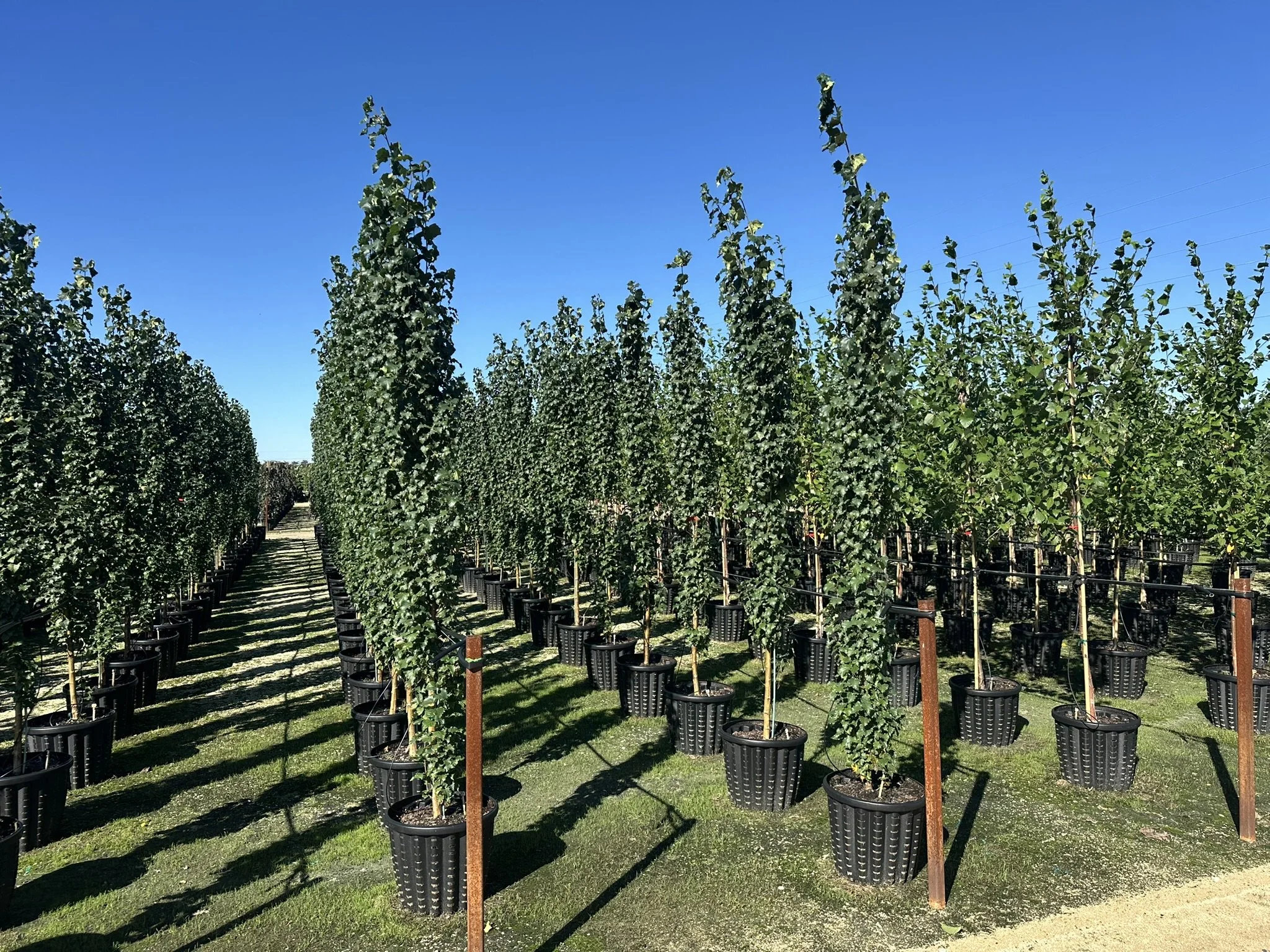
Unique columnar habit makes it a perfect choice for screens, containers, hedges, and tight spaces. Since it creates so few branches, little to no pruning is required. Avoid planting in areas where snow can fall on it.
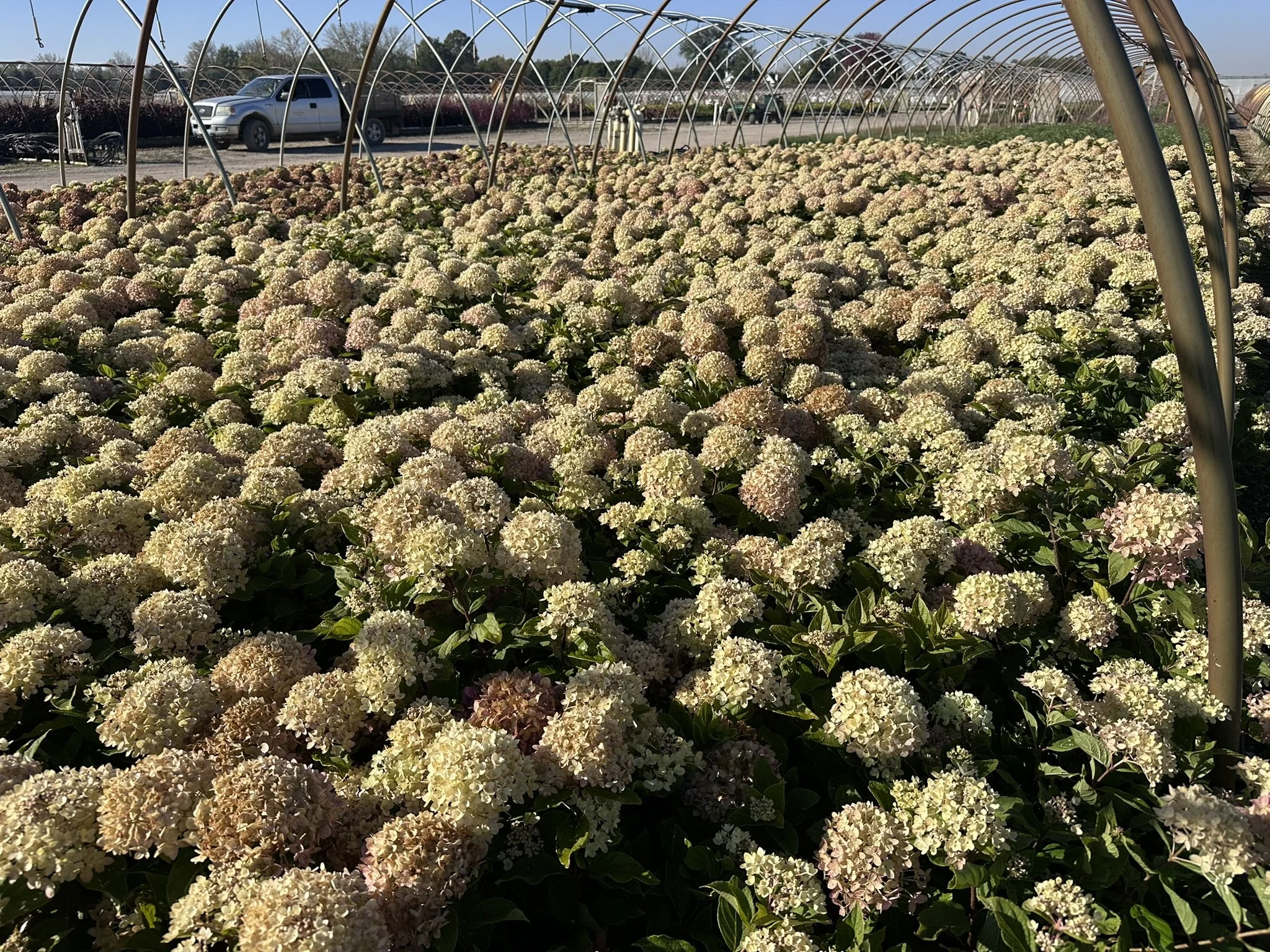
A tree form hydrangea with dense panicles of flowers. Thrives in urban environments. Great for container plantings and cut flowers. Prune in late winter to early spring.
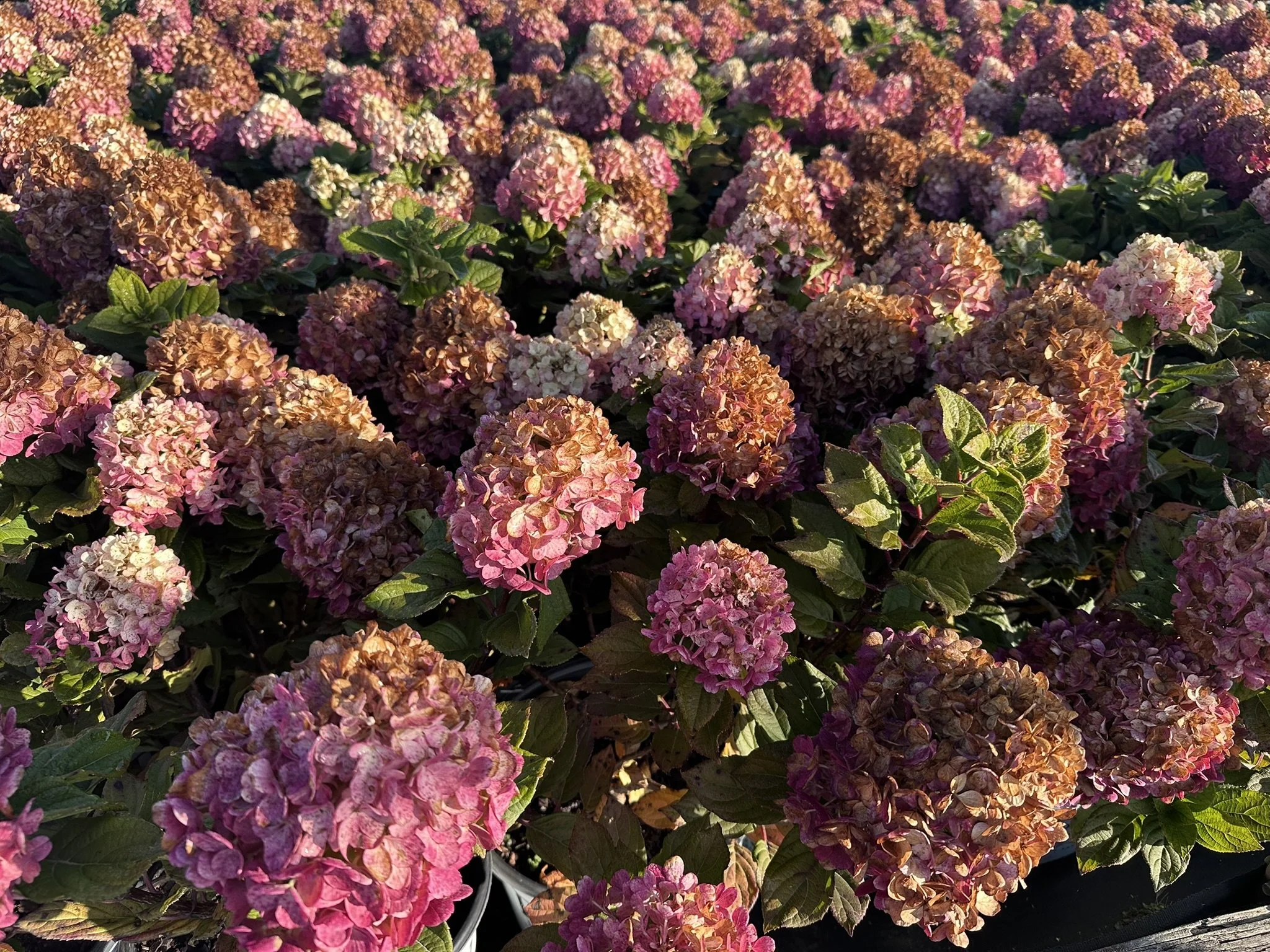
Similar to Little Lime® with its compact stature. Blooms emerge lime green and then age to pink and red. As new flowers emerge, the result is a festive mix of pink, green, white, and red all on the same plant.
A dwarf version of 'Limelight' with large mophead flowers and an upright, rounded habit. Flowers emerge light green and mature to pink and burgundy in the fall. Good for containers.
Dwarf form of Quick Fire® that fits well into containers and small landscapes. Blooms about a month earlier than other hydrangeas on new wood. White flowers age to pink-red.
Super early bloom time and rock-solid reliability just like the original Quick Fire, but big, showy mophead blooms are added to the mix. Unique x-shaped flowers go from white to blush pink, then bright pink and then red from the bottom up.
White flowers bloom in early summer and quickly fade to deep red. Strong stems hold flowers upright and don't flop. One of the earliest blooming panicle Hydrangeas available.
Fast-growing and reliable reblooming hydrangea with large mophead flowers that range from pink in alkaline soils to rich violet-purple in acidic soils and age to mauve. A cross between H. macrophylla and H. serrata.
A fast-growing, compact, dense variety. Showy white flowers age to green. Fall color is outstanding burgundy-red. Neat, tidy rounded habit presents well in the landscape, on the retail shelf, or in containers.
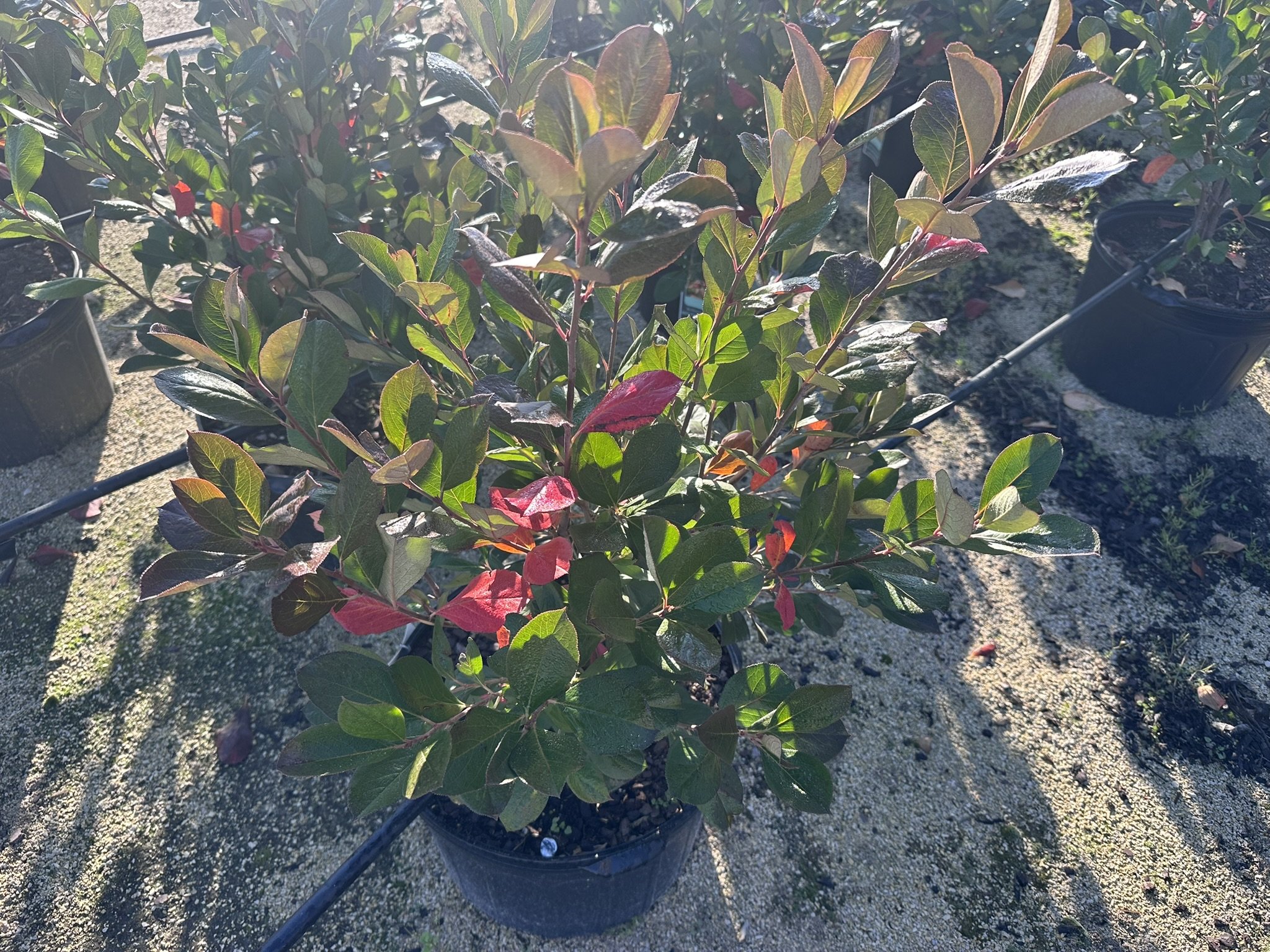
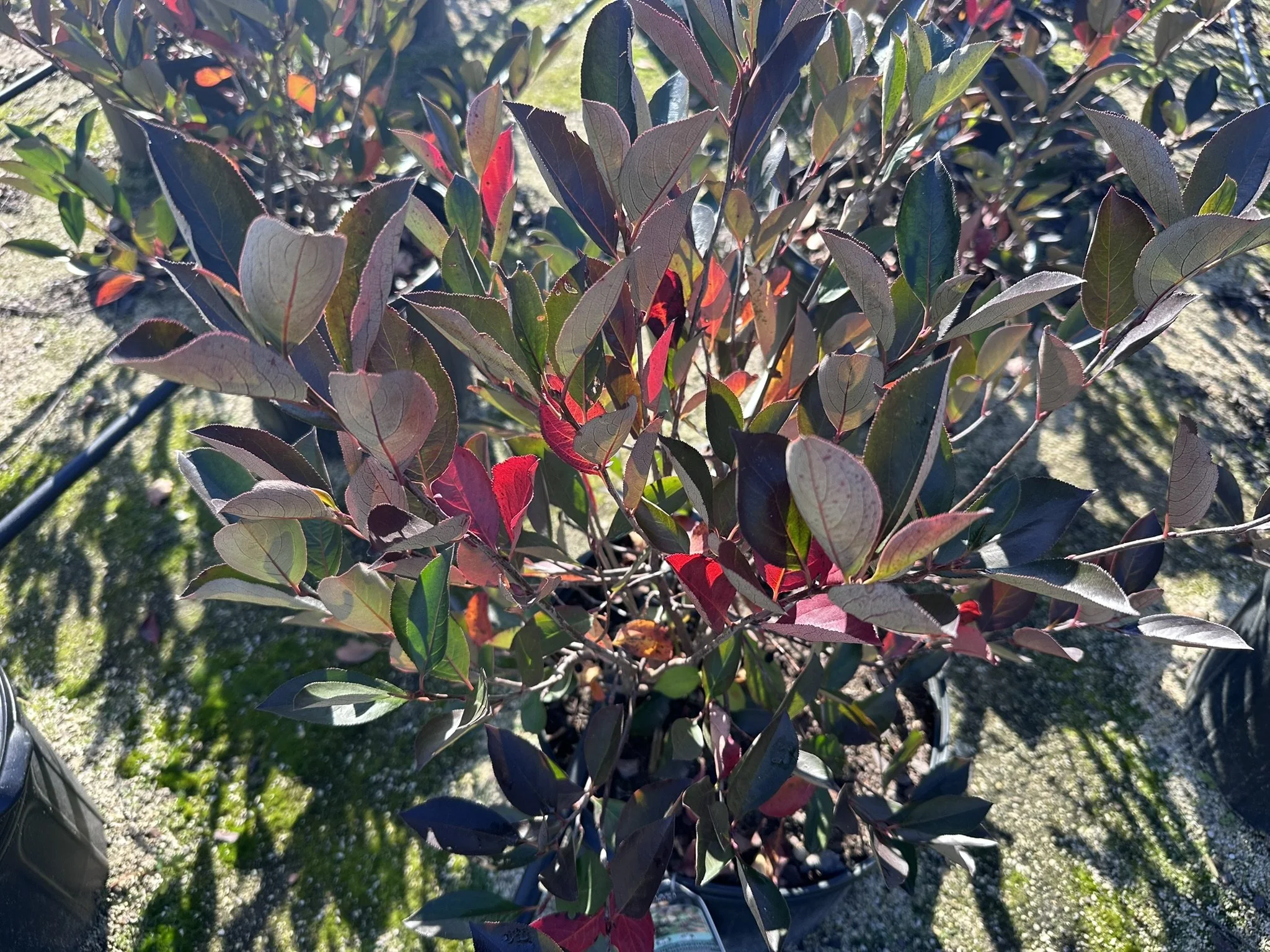
Each season brings a new combination of colors. New foliage is orange, yellow, and orange, then turns green in summer, and ages to tones of red and purple in fall. White flowers bloom in spring. Resistant to mildew and performs best in full sun.
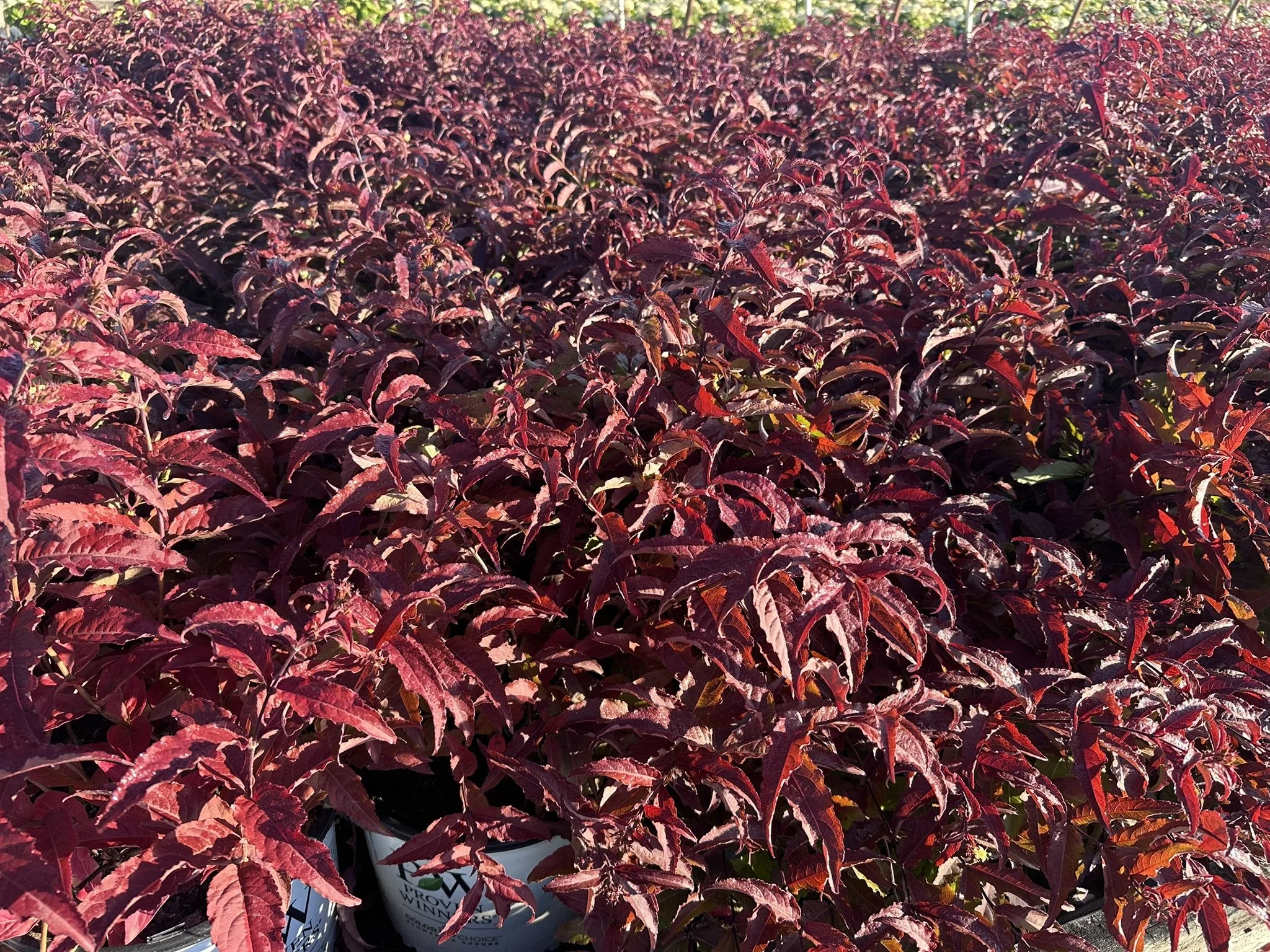
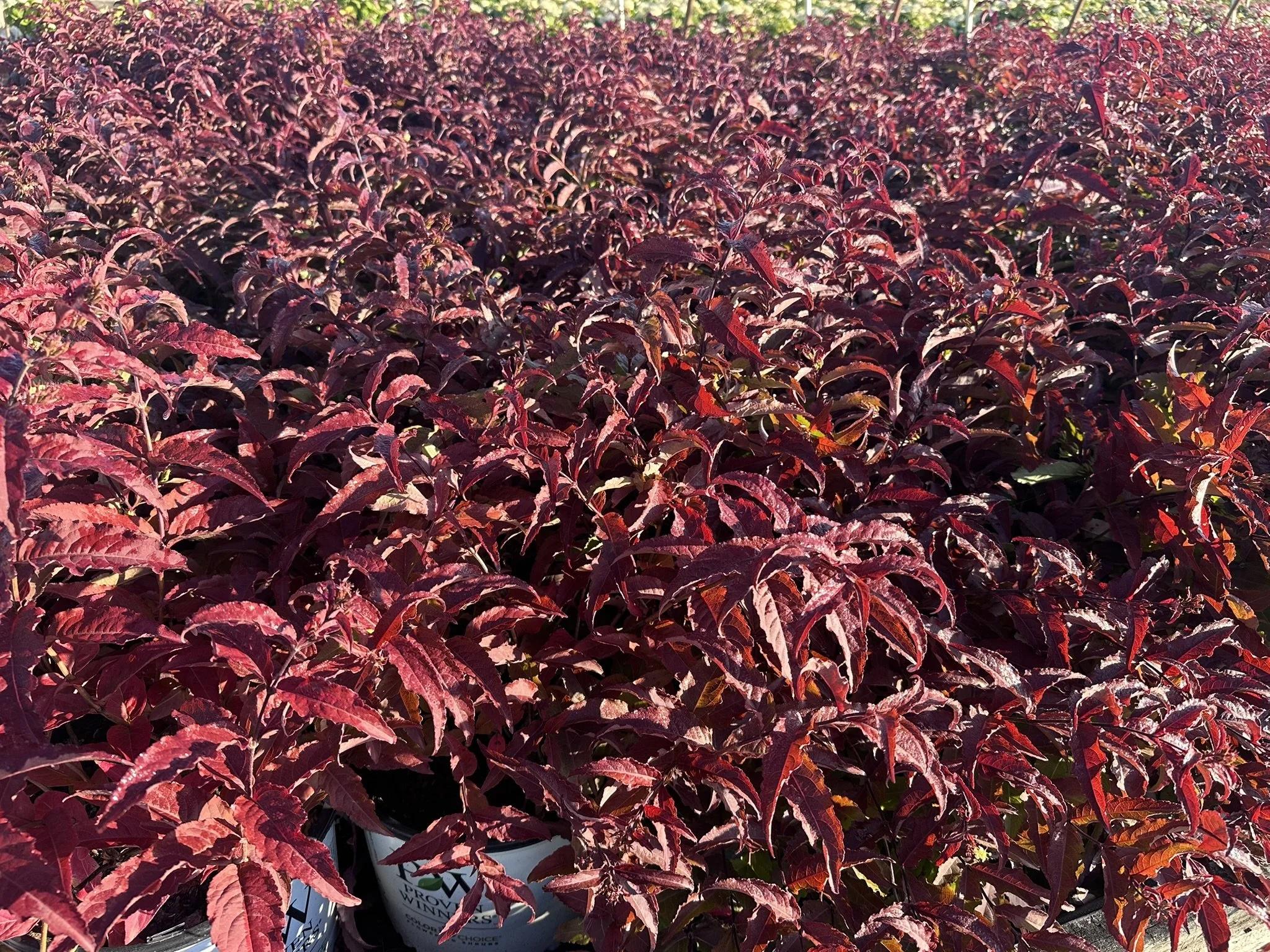
Adds color to the landscape from spring to fall; new foliage is red-orange, maturing to burgundy. Clusters of pinkish white flowers in late spring. Best color and flowering occurs in full sun. Natural graceful, arching habit; best left unpruned.
Developed from a seedling of Double Knock Out®, Oso Easy Double Red® produces an abundance of double red flowers all summer, with no need to deadhead. Flowers are held on long stems above the foliage.
Green and golden variegated foliage is very showy, and takes on tones of pink in cool temperatures of spring and late summer. Dense clusters of pink flowers bloom in late spring and early summer. Urban tolerant.
A different take on Wine & Roses® with darker foliage and white flowers. Flowers bloom from late spring to early summer and are stunning against the nearly black foliage.


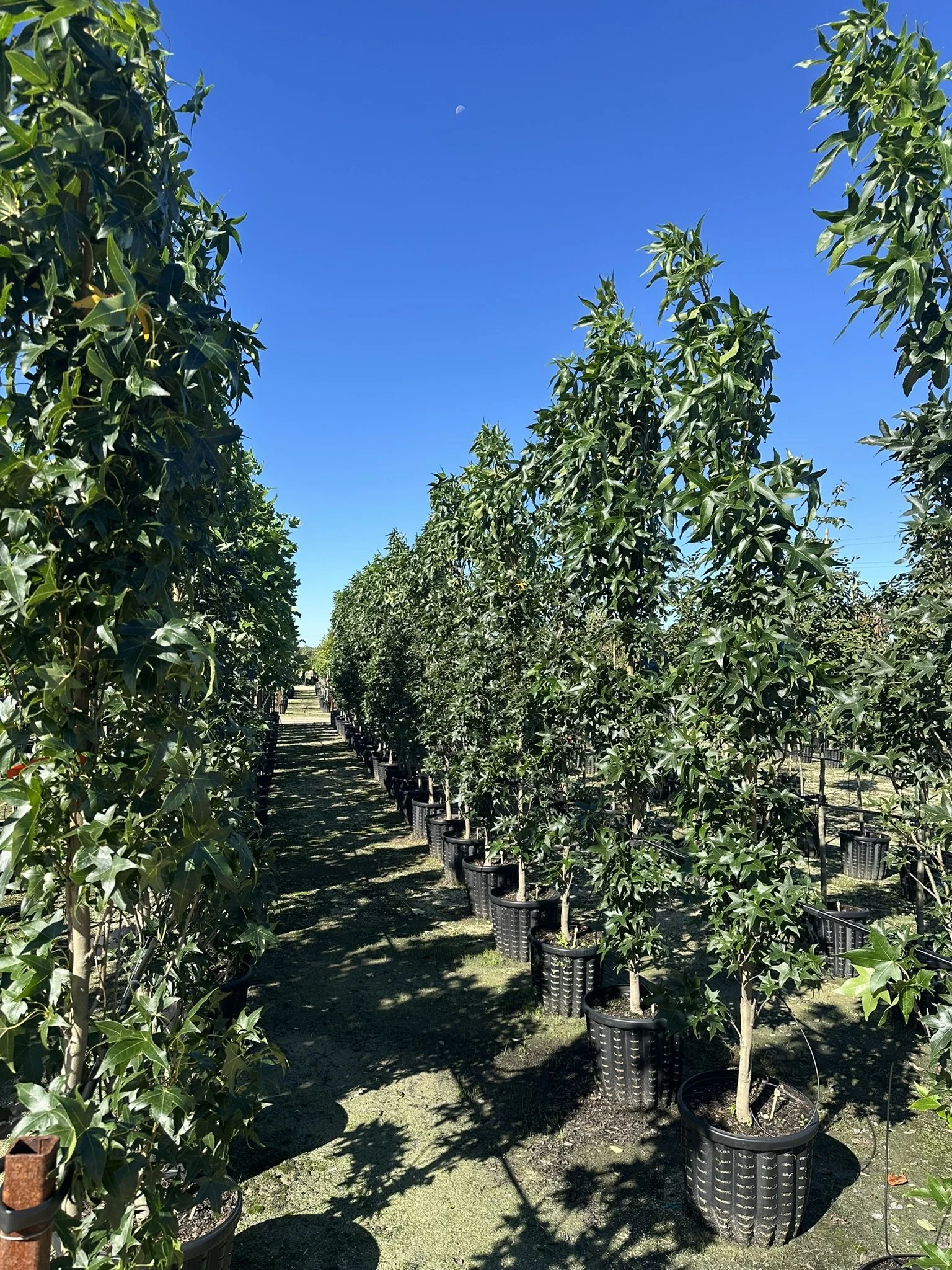
Fast-growing maple with outstanding, consistent fall color. Better branching habit than silver maple and more drought tolerant than red maple.